Wellness Apps
Mental Health Apps That Listen to You
Learn how mental health apps with listening features can support your daily well-being. Discover personalized prompts, privacy safeguards, and stepwise routines for everyday emotional care and honest reflection.
Advertisement
Imagine venting your thoughts at 2 am and having a friendly digital companion that truly listens. Mental health apps that listen to you are making that possible every day.
Providing support isn’t about replacing professionals; it’s about expanding access. Guided by breakthrough technologies, these tools help people practice mindfulness and share feelings in their own words anytime.
Explore how these apps engage actively, recognize your unique voice, and offer tailored care. Scroll down for evidence-based guidance, realistic user stories, and stepwise ways to make the most of them.
Get Quick Relief by Speaking Your Truth, Anytime
Downloading a mental health app that listens means you won’t wait for morning or appointments. You can voice a raw feeling and get support instantly, even on a Sunday night.
This approach brings a sense of relief. It mimics talking to a caring friend who remembers when you sigh or pause. Speaking aloud can also make feelings easier to process.
Voice Logging Deepens Reflection
When someone says, “I feel heavy today, can you hear me?” the app records the message and often recaps key emotions. This step fosters awareness by replaying your concerns.
Users report that vocalizing their mental health struggles helps separate the feeling from themselves. Listening back, they might realize, “This worry sounds smaller than I thought.”
Making audio logs a routine—a nightly summary or morning check-in—builds familiarity and comfort with digital reflections. Try ending each recording with an intention, like, “Tomorrow, I’ll take a walk.”
Conversation Scripts Make Guidance Tangible
Apps now offer prompt “scripts” to support emotional release. They might ask, “Would you like to talk about something lighter?” or suggest, “Let’s track what triggered your anxiety.”
Copy their structured prompts into everyday situations: “Could I just share what’s on my mind?”—addressing both the app and trusted people outside digital spaces.
Over time, you might notice patterns in your speech—key phrases, repeated feelings, or shifts in your energy—empowering you to preempt negative self-talk.
| App Feature | User Voice Support | Emotion Tracking | Takeaway |
|---|---|---|---|
| Audio Logging | Records and saves your reflections | Tags mood cues automatically | Use nightly for honest check-ins |
| Conversation Prompts | Sparks conversation at your pace | Highlights emotional patterns | Copy prompts into real-life chats |
| Emotion Analytics | Detects tone and word frequency | Visualizes mood graphs | Review graphs weekly for trends |
| Personal Reminders | Sends voice reminders to check-in | Tracks response tone | Set reminders for low moments |
| Anonymous Sharing | Lets you share with a peer community | Compares your mood to community | Join discussions to feel connected |
Connect With AI Listeners for Personalized Feedback
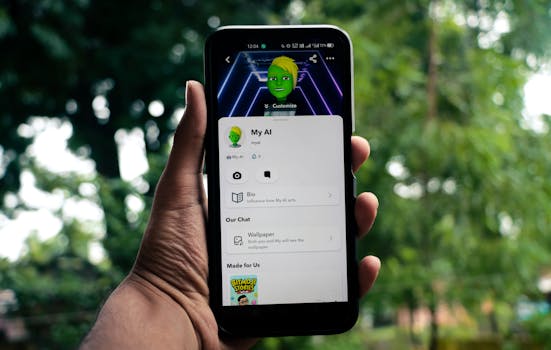
AI-driven listeners offer a new layer of interaction. Instead of just storing your voice, they mimic genuine, understanding responses to boost your mental health practice.
The process begins with a recording: “I feel anxious after meetings.” The app asks clarifying questions—mirroring a supportive friend. This loop builds your trust and motivation.
Automated Empathy Promotes Accountability
By answering, “Tell me about your day,” or noting, “It sounds like work is stressful for you,” AI makes mental health reflection an ongoing practice—not a once-in-a-while event.
People notice changes in their attitude when prompted to name one small win out loud. Try: “Today, I finished a tough report before noon. That felt great.”
- Record what’s on your mind as if talking to a warm friend. Doing so invites vulnerability and can make mental health support feel immediate, accessible, and non-judgmental every day.
- Respond honestly to follow-up prompts like “What’s one thing that improved your mood?” This guides your reflection to highlight positive actions and solidify uplifted thinking.
- Bookmark recurring worries raised in AI summaries. You’ll be able to track mental health triggers over time and respond with boundaries or targeted coping skills.
- Enable push notifications that say, “Share a thought.” You’ll develop a habit of self-reflection, even when life feels busy or overwhelming, so you never neglect mental health check-ins.
- Review past messages every Sunday. Spot progress, repeated patterns, or blind spots—then use that insight for goals like sleeping earlier or taking more outdoor breaks during the week.
With each prompt, your comfort level grows. Small responses become longer dialogues as trust develops between you and your chosen digital support tool.
Privacy Safeguards Encourage Honest Expression
Effective mental health apps follow strict privacy protocols and explain them transparently, making people more likely to use voice features for personal disclosures without fear.
Encryption, secure logins, and anonymous log options fortify trust. Users relax and share what’s really on their mind, knowing their mental health data’s secure from outsiders.
- Choose apps with multi-factor authentication. This extra layer means that even if a device is lost, only the owner can access sensitive mental health voice notes.
- Read privacy policies before signing up. Apps should describe where recordings and text go, whether they’re linked to your identity, and how you can delete them permanently.
- Create anonymous profiles if you want added distance. Many apps let you log mental health sessions under a nickname, lowering the barrier for honest sharing and trying new features.
- Regularly clear your recording history or set auto-delete rules. Always control the length of time your mental health logs are stored on devices or in the cloud.
- Email app support for guidance on exporting or deleting all data. Don’t hesitate if your mental health needs change and you want a fresh digital start on a new platform.
These actionable steps safeguard both your privacy and your sense of safety—prime conditions for lasting, honest mental health reflection and growth with every conversation.
Develop Consistency Through Scheduled Voice Journals
Making a habit of daily voice journals strengthens accountability. When mental health support becomes part of your routine, the process shifts from crisis-only to continuous, gentle self-care.
Setting Up Successful Reminders to Speak
Try setting a recurring 8 pm alert labeled “Record my mood for two minutes.” Just like brushing teeth, this small accountability step means mental health check-ins become automatic.
If you skip a day, don’t judge yourself. Think of each voice memo as a personal pit stop—like popping into a favorite cafe for comfort and clarity, no guilt needed.
Building a streak (three days, then five, then ten) can feel like winning little personal trophies for your mental health dedication. Celebrate each one. The process is the real progress.
Customizing Prompts to Match Your Experience
Rewrite standard prompts so they sound like your own way of talking: swap “Describe your mood” for “Today, I felt spaced out until lunch, then cheerful.”
Switch up the order depending on your energy. Record a rapid-fire list if you’re in a hurry, or linger on a story when you’re ready to dig into mental health insights more deeply.
If a prompt doesn’t fit, delete or rephrase it to match your lived reality. Ownership keeps your reflections authentic, ensuring recommendations fit your unique mental health needs.
Using Listening Apps is a Real Step Toward Mental Wellness
Recording daily voice journals strengthens mental health routines while building trust with digital listeners. Concrete features and privacy safeguards motivate you to speak out and reflect deeply.
Each check-in chips away at silence, offering personalized support on your timeline. Mental health apps that listen make it easier to tackle worries, celebrate progress, and spot growth trends naturally.
Consistency and honest dialogue with these tools foster resilience. Approaching mental health support with curiosity and ownership turns listening apps from novel tech into a practical, comforting ally anytime you need it.